
The first time I realized my backyard needed better shade was during a hot summer afternoon. I had planned to enjoy lunch outside with my family, but after just a few minutes, the sun made it almost impossible to stay comfortable. That moment convinced me it was finally time to focus on shading area on my house instead of simply putting up with the heat.
Since then, I’ve spent time researching different shade solutions, comparing materials, and figuring out what actually works for different homes. If you’re thinking about improving your outdoor living space, reducing heat, or making your patio more enjoyable, you’re in the right place.
In this guide, I’ll share what I learned, the mistakes I’d avoid, and practical ideas that can help you create a shaded outdoor area you’ll actually enjoy using.
Why Shading Area on My House Became a Priority
Before adding shade, my outdoor space looked nice—but it wasn’t very usable during the hottest parts of the day.
The direct sunlight caused several problems:
- Outdoor furniture became too hot to sit on.
- My cooling bills increased during summer.
- Plants needed more watering.
- Family gatherings usually moved indoors.
That’s when I realized that adding shade wasn’t just about comfort. It also helped improve energy efficiency and protected my outdoor investment.
Benefits of Adding Shade Around Your Home
After exploring different options, I noticed several advantages.
1. Lower Indoor Temperatures
One of the biggest surprises was how much shade around windows and walls can reduce indoor heat.
Less direct sunlight means:
- Lower cooling costs
- Less strain on air conditioning
- Better indoor comfort
2. More Comfortable Outdoor Living
A shaded patio quickly became everyone’s favorite place.
Instead of avoiding the backyard during summer afternoons, we actually started using it for:
- Family meals
- Reading
- Weekend barbecues
- Relaxing with coffee
3. Better Protection for Furniture
UV rays can fade outdoor furniture surprisingly fast.
Adding shade helps protect:
- Patio cushions
- Wooden furniture
- Outdoor rugs
- Decorative items
Best Options for Shading Area on My House
Every home is different, but these are some of the most practical solutions I found.
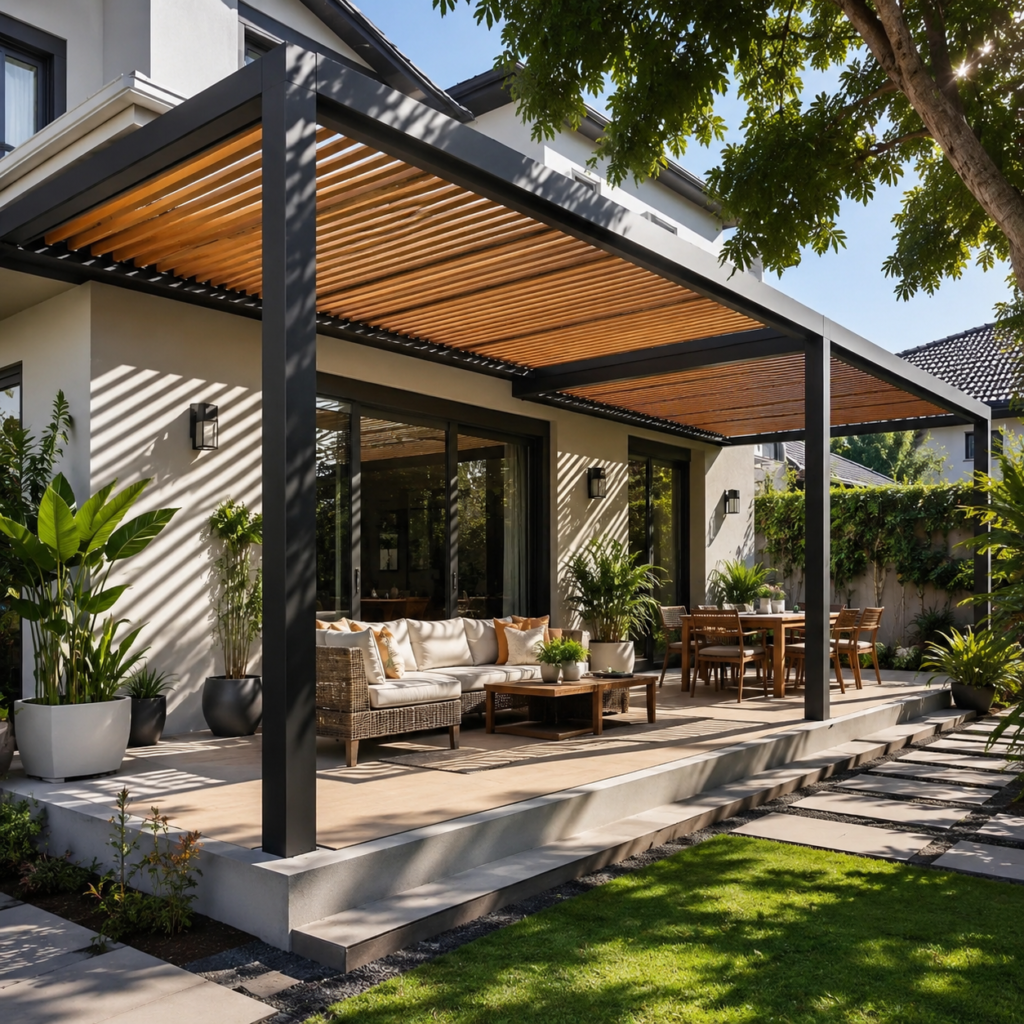
Pergolas
Pergolas create partial shade while keeping an open feel.
Pros:
- Stylish appearance
- Great for climbing plants
- Long-lasting
They also increase the visual appeal of your backyard.
Retractable Awnings
If flexibility matters, retractable awnings are an excellent choice.
You can extend them when needed and retract them during cooler weather.
They’re especially useful over patios and decks.
Shade Sails
Shade sails have become increasingly popular because they’re affordable and modern.
Advantages include:
- Easy installation
- Multiple color options
- Excellent UV protection
- Contemporary design
Trees and Landscaping
Natural shade remains one of my favorite solutions.
Planting the right trees provides:
- Cooling shade
- Better air quality
- Increased property value
- Beautiful landscaping
Although trees take time to grow, they’re a worthwhile long-term investment.
Covered Patio
A permanent patio cover offers year-round protection.
It keeps the space usable during:
- Summer heat
- Light rain
- Mild weather
This option works well if you spend lots of time outdoors.
Personal Tips That Helped Me
Watch the Sun Before Installing Anything
One thing I learned is that the sun moves differently throughout the day than most people expect.
Before choosing a shade structure, I spent a weekend observing where sunlight hit the house every few hours.
That simple step helped me avoid placing shade in the wrong location.
Don’t Choose Looks Over Function
I almost bought a beautiful shade sail that matched my patio furniture perfectly.
Fortunately, I checked the fabric’s UV rating first.
Choosing high-quality UV-resistant material made a much bigger difference than color alone.
Sometimes practicality wins.
Mistakes I’d Avoid
If I were starting over, I’d avoid these common mistakes.
Installing Without Measuring
Always measure your space carefully.
Even a few inches can affect installation.
Ignoring Local Weather
Wind, rain, and snow all matter.
Choose materials designed for your local climate.
Buying Cheap Materials
Budget options may save money upfront, but many fade or tear within a few seasons.
Quality materials usually provide better long-term value.
Choosing the Right Shade Solution
Here are a few questions I asked myself before making a decision.
- How much sunlight reaches the area?
- Do I want permanent or temporary shade?
- What’s my budget?
- Do I want low maintenance?
- Will the design match my home’s style?
Answering these questions narrowed down my choices quickly.
Related Ideas That Work Well Together
While improving the shaded area, I also considered a few complementary upgrades.
These included:
- Outdoor seating
- Patio lighting
- Weather-resistant furniture
- Decorative plants
- Outdoor fans
Together, they transformed the space into a comfortable outdoor retreat.
How Shade Can Improve Energy Efficiency
One unexpected benefit was reducing heat entering the house.
Shading windows, patios, and exterior walls helps lower indoor temperatures naturally.
Many homeowners notice reduced air conditioner use during warmer months.
It’s a simple improvement that supports better energy efficiency while making outdoor spaces more enjoyable.
Is Shading Area on My House Worth It?
Absolutely.
Whether you choose a pergola, shade sail, retractable awning, or strategically planted trees, adding shade creates a more comfortable and inviting home.
The investment pays off through improved comfort, better outdoor living, and even potential energy savings.
For me, the biggest reward wasn’t just escaping the summer heat—it was finally having an outdoor space where family and friends actually wanted to spend time.
Conclusion
Looking back, improving the shading area on my house turned out to be one of the smartest home upgrades I could make. It made my patio cooler, protected my outdoor furniture, and created a space that feels welcoming throughout the warmer months.
If you’ve been thinking about adding shade to your home, don’t wait until another scorching summer arrives. Start by evaluating your outdoor space, comparing shade solutions, and choosing the option that fits your lifestyle and budget.
Have you already added shade to your home, or are you planning your first project? Share your ideas, experiences, or questions in the comments—I’d love to hear what worked for you!