
A couple of years ago, I found myself standing in the appliance aisle, staring at two nearly identical heaters. One ran on propane, while the other was electric. The prices looked similar, but I kept asking myself one simple question: Is propane or electric cheaper?
At first, I assumed the electric model would save me money because plugging something into the wall felt easier than buying propane tanks. But after talking to homeowners, checking utility bills, and even using both options over time, I realized the answer isn’t as straightforward as I expected.
If you’re trying to decide whether propane or electric is the more affordable choice, I’ll walk you through everything I’ve learned. I’ll compare operating costs, efficiency, maintenance, convenience, and long-term value so you can make the right decision for your home.
Is Propane or Electric Cheaper?
The short answer is: it depends on how you use them and where you live.
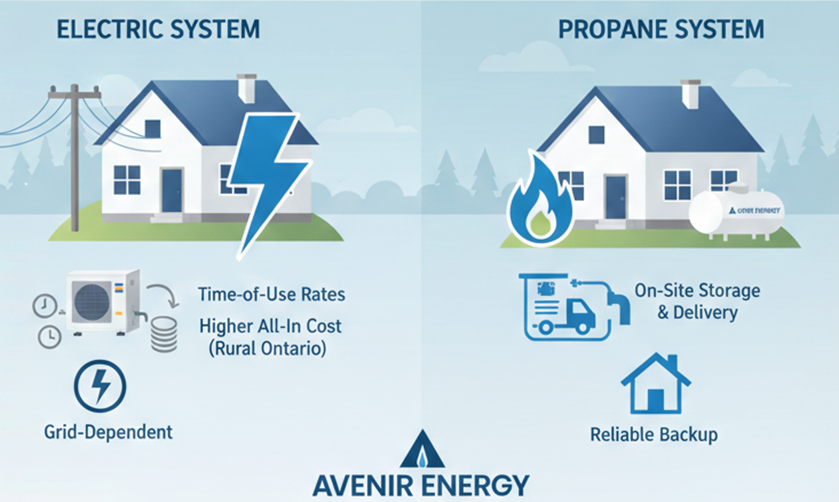
In many areas, propane appliances can cost less to operate for high-heat applications because propane produces more heat per unit of energy. However, electricity may be cheaper in regions with low utility rates or if you’re using highly efficient electric appliances like heat pumps.
Several factors affect the total cost, including:
- Local propane prices
- Electricity rates
- Appliance efficiency
- Frequency of use
- Climate
- Installation costs
Instead of asking which fuel is always cheaper, it’s better to ask which one makes the most sense for your specific situation.
Understanding the Cost Difference
When I first compared propane and electric costs, I focused only on the purchase price. That was a mistake.
The real expense comes from running the appliance over several years.
Propane Costs
Propane prices change throughout the year and vary depending on your location.
You’ll usually pay for:
- Propane fuel
- Tank refills or deliveries
- Tank rental (sometimes)
- Appliance maintenance
Electric Costs
Electric appliances don’t require fuel deliveries, but your monthly electricity bill reflects their usage.
Costs usually include:
- Electricity consumption
- Utility rate changes
- Occasional repairs
- Appliance replacement after years of use
Heating Performance
One thing I noticed almost immediately was how quickly propane appliances produce heat.
A propane heater warms a room in minutes.
Electric heaters generally take a little longer, although modern models have become much more efficient.
If instant heat matters to you, propane often has the advantage.
Appliance Efficiency
Efficiency plays a major role in determining overall cost.
Propane Appliances
Many propane furnaces operate between 90% and 98% efficiency.
They waste very little fuel while producing significant heat.
Electric Appliances
Electric resistance heaters are nearly 100% efficient because almost all electricity becomes heat.
However, electricity itself may cost more depending on your utility provider.
Heat pumps deserve special mention because they can be much more energy-efficient than standard electric heaters.
Initial Installation Costs
Another surprise for me was the installation expense.
Electric appliances usually have lower installation costs because most homes already have electrical wiring.
Propane systems may require:
- Propane tank installation
- Gas lines
- Safety inspections
- Ventilation
Those additional costs can add up quickly.
Monthly Operating Costs
Here’s where things become interesting.
If you use heating every day during winter, propane may cost less in some regions because it produces more heat for the money.
On the other hand, if electricity prices are low where you live, electric heating could be the more affordable option.
This is why local utility rates matter so much.
Personal Tip #1: Compare Local Energy Prices
One of the smartest things I did was compare propane prices with my local electricity rates before making a purchase.
It only took a few minutes online, and it completely changed my decision.
Never rely on national averages alone because local pricing can vary dramatically.
Convenience Matters Too
Price isn’t everything.
Convenience also has value.
Electric Advantages
- No fuel deliveries
- No propane tank
- Easy installation
- Minimal maintenance
- Quiet operation
Propane Advantages
- Works during electrical outages with the right setup
- Faster heating
- Higher heat output
- Great for rural properties
- Reliable in colder climates
Depending on your lifestyle, one option may simply fit better.
Environmental Impact
Many homeowners also think about environmental concerns.
Electric appliances produce no emissions inside your home.
However, the environmental impact depends on how your electricity is generated.
Propane burns cleaner than many fossil fuels and produces fewer emissions than heating oil.
Neither option is completely perfect, but both have become cleaner over the years.
Maintenance Requirements
Another thing I learned is that maintenance affects long-term costs.
Electric systems generally require less routine maintenance.
Propane appliances need periodic inspections to ensure safe operation.
Typical propane maintenance includes:
- Burner cleaning
- Gas connection inspection
- Vent checking
- Tank inspection
While maintenance isn’t overly expensive, it’s worth including in your budget.
Personal Tip #2: Think Beyond This Year’s Bills
When I bought my first heating appliance, I focused only on the first year’s expenses.
Looking back, I wish I had considered the next ten years instead.
Sometimes paying a little more upfront leads to much lower operating costs later.
It’s a simple mindset that has saved me money more than once.
Which Is Better for Different Uses?
Let’s break it down by common household applications.
Home Heating
In colder climates, propane often performs exceptionally well because of its powerful heat output.
Water Heaters
Propane water heaters usually recover hot water faster than electric models.
Cooking
Many home cooks prefer propane or natural gas because of precise temperature control.
Fireplaces
Propane fireplaces create realistic flames while providing excellent heat.
Electric fireplaces are easier to install but generally produce less heat.
Related Keywords You Should Know
As you research this topic, you’ll likely come across these related terms:
- Propane vs electric heating
- Energy-efficient heating
- Home heating costs
- Electric heat vs gas
- Cost of propane heating
Understanding these topics helps you make a more informed decision.
Pros and Cons
Propane Pros
- Fast heating
- Excellent heat output
- Reliable in cold weather
- Can operate during power outages with proper equipment
- Efficient for larger homes
Propane Cons
- Requires fuel deliveries
- Tank maintenance
- Installation costs
- Fuel prices fluctuate
Electric Pros
- Easy installation
- Low maintenance
- Quiet operation
- No fuel storage
- Widely available
Electric Cons
- Higher operating costs in some areas
- Performance depends on electricity availability
- Standard electric heaters may warm spaces more slowly
So, Is Propane or Electric Cheaper?
After comparing both options, my conclusion is surprisingly simple.
If you live somewhere with affordable propane prices and rely heavily on heating during winter, propane may save you money over time.
If your local electricity rates are low or you’re using an energy-efficient heat pump, electric heating can become the better financial choice.
There’s no universal winner because every home is different.
The smartest approach is comparing local energy costs, appliance efficiency, and your expected usage before making a purchase.
Final Thoughts
When someone asks me, “Is propane or electric cheaper?”, I always answer with another question: How do you plan to use it?
For heavy heating needs, propane often delivers excellent value.
For convenience and simplicity, electric appliances are hard to beat.
After using both, I’ve learned that choosing the cheapest option isn’t only about fuel prices. It’s about balancing efficiency, installation costs, maintenance, and long-term operating expenses.
Taking a little extra time to compare these factors can save hundreds of dollars over the life of your appliance.