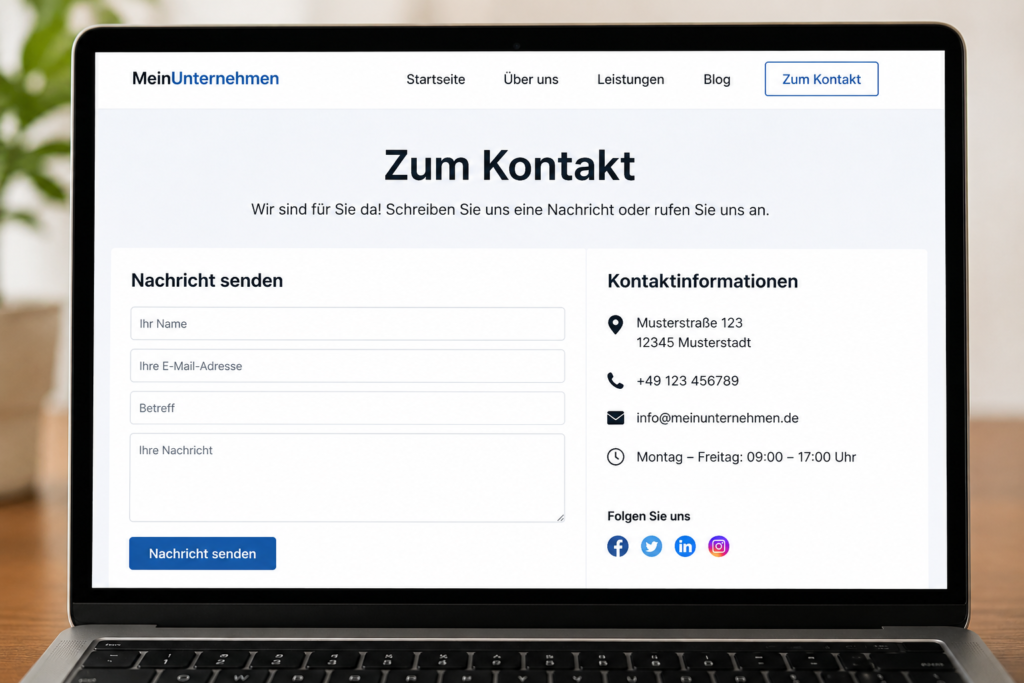

I still remember the first time I landed on a German website while looking for information about a product. Everything seemed easy to navigate until I needed to ask a question. After clicking around for a minute, I finally found a button labeled “Zum Kontakt.” At first, I wasn’t sure what it meant, but curiosity got the better of me. One click later, I was on the contact page, ready to send my message.
That small experience taught me something important. A simple phrase like zum kontakt can make communication between a business and its visitors much easier. Whether you’re running a personal blog, an online store, or a company website, having a clear path to your contact page is one of the best ways to build trust.
In this article, I’ll explain what zum kontakt means, why it’s important, and how you can make your own contact page more useful for visitors.
Table of Contents
- What Does “Zum Kontakt” Mean?
- Why Every Website Needs a Contact Page
- Benefits of Using “Zum Kontakt”
- Essential Elements of a Great Contact Page
- My Personal Tips for Better Communication
- Common Mistakes to Avoid
- Frequently Asked Questions
- Final Thoughts
What Does “Zum Kontakt” Mean?
The German phrase zum kontakt literally translates to “to the contact page” or “go to contact.”
You’ll often see it used as:
- A navigation menu item
- A button
- A call-to-action (CTA)
- A footer link
Its purpose is simple: guide visitors directly to a page where they can contact the website owner.
Related keywords naturally connected with this topic include:
- Contact page
- Website navigation
- Customer support
- Contact form
- User experience
Why Every Website Needs a Contact Page
When I visit a new website, one of the first things I usually check is whether I can easily contact the owner.
If I can’t find contact information quickly, I often leave and search elsewhere.
That’s why a clear zum kontakt button matters so much.
A good contact page helps visitors:
- Ask questions
- Report problems
- Request quotes
- Get customer support
- Build confidence in the business
Even if someone doesn’t contact you immediately, simply knowing you’re reachable increases trust.
How “Zum Kontakt” Improves User Experience
A website should never make visitors guess where to find help.
A visible zum kontakt link improves navigation by reducing frustration.
Some of the biggest benefits include:
Better Communication
Visitors can easily send inquiries without wasting time.
Higher Trust
Real contact information makes your website look legitimate.
More Leads
Businesses often receive new clients through simple contact forms.
Improved Customer Satisfaction
Quick communication creates a better overall experience.
Essential Elements of a Great Contact Page
Not every contact page is equally effective.
Over time, I’ve noticed that the best ones include just enough information without overwhelming visitors.
Contact Form
Keep it simple.
Ask only for:
- Name
- Subject
- Message
Long forms often discourage people from reaching out.
Email Address
Some visitors prefer emailing directly instead of filling out forms.
Including your email gives users another option.
Phone Number
If your business accepts phone calls, display your number clearly.
This is especially useful for local businesses.
Business Address
Adding a physical address builds credibility.
Even if customers never visit in person, knowing your business has a real location increases confidence.
Working Hours
Tell visitors when they can expect a reply.
Example:
- Monday–Friday
- 9:00 AM–5:00 PM
Setting expectations reduces frustration.
My Personal Tips for Creating a Better Contact Page
After working with different websites over the years, I’ve picked up a few habits that really make a difference.
Make the Contact Button Easy to Find
One mistake I see frequently is hiding the contact page deep inside menus.
Personally, I prefer placing zum kontakt in:
- The main navigation
- The website footer
- The homepage
Visitors should never have to search for it.
Respond Quickly
I’ve noticed that even a short reply within one day creates a positive impression.
People appreciate knowing their message has been received.
You don’t always need a long response.
Sometimes a simple:
“Thanks for contacting us—we’ll get back to you soon.”
is enough.
Common Contact Page Mistakes
Even good websites sometimes make these errors.
Missing Contact Information
Visitors become frustrated if they can’t find an email or phone number.
Complicated Forms
Too many required fields reduce submissions.
Keep things short.
Broken Contact Forms
Always test your form regularly.
There’s nothing worse than discovering months later that messages were never delivered.
No Confirmation Message
After submitting a form, visitors should immediately know it was successful.
A confirmation message provides reassurance.
Best Practices for Using “Zum Kontakt”
Here are a few ideas that work well.
Place the Link Where People Expect It
Most users look for contact links in:
- Header
- Footer
- Navigation menu
Use Clear Call-to-Action Buttons
Instead of generic text, use phrases like:
- Zum Kontakt
- Contact Us
- Get in Touch
- Send a Message
Clear buttons improve click rates.
Keep the Design Clean
Avoid clutter.
A clean layout helps visitors focus on contacting you.
Why Businesses Should Never Ignore Their Contact Page
Your website isn’t just about showing products or publishing articles.
It’s also about building relationships.
Whether someone wants to:
- Ask a question
- Report an issue
- Request pricing
- Suggest an improvement
they need an easy way to reach you.
That’s exactly why zum kontakt is such an important part of many German websites.
Frequently Asked Questions
Is “Zum Kontakt” only used on German websites?
Mostly, yes.
It is commonly found on German-language websites as a navigation link to the contact page.
Can I use “Zum Kontakt” on an English website?
If your audience speaks German, absolutely.
Otherwise, “Contact Us” is usually more appropriate.
Should every website have a contact page?
Yes.
Whether it’s a blog, portfolio, or online business, providing contact information improves trust and communication.
Final Thoughts on Zum Kontakt
At first glance, zum kontakt might seem like just another navigation link.
But after using many different websites, I’ve realized it’s much more than that. It’s an invitation for visitors to connect, ask questions, and build trust with the people behind the website.
If you’re creating or improving your own website, don’t overlook your contact page. Make it easy to find, keep it simple, and respond to messages promptly. Those small efforts can make a big difference in how visitors perceive your site.
Remember, communication is often the first step toward building lasting relationships online.